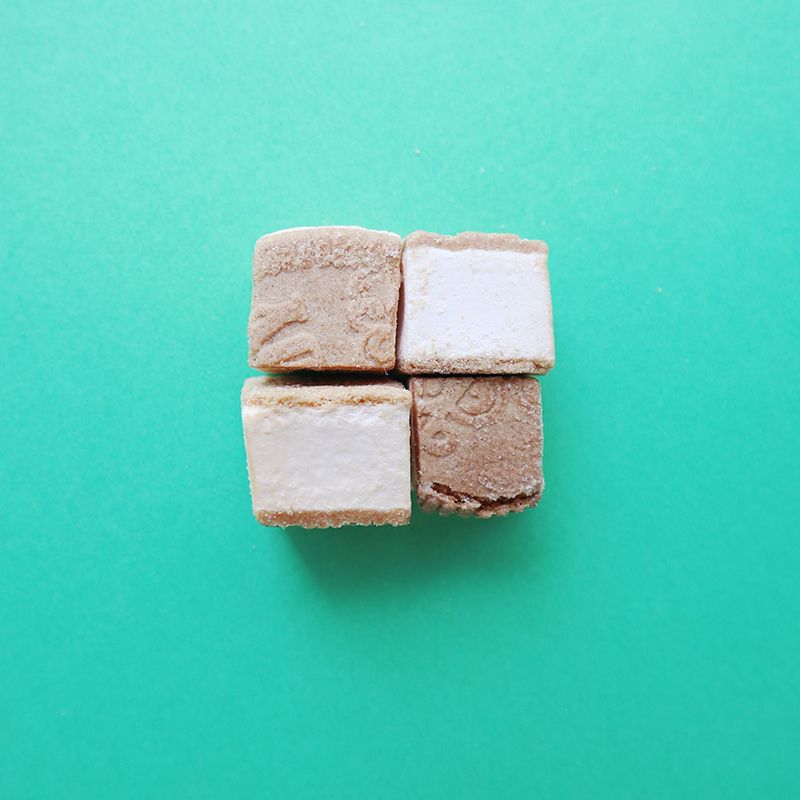
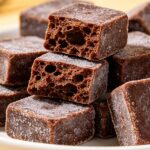
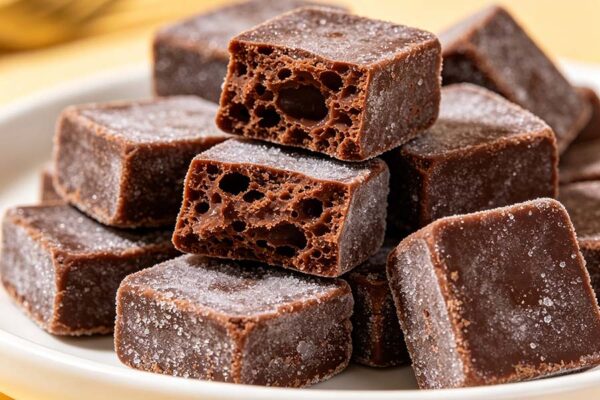
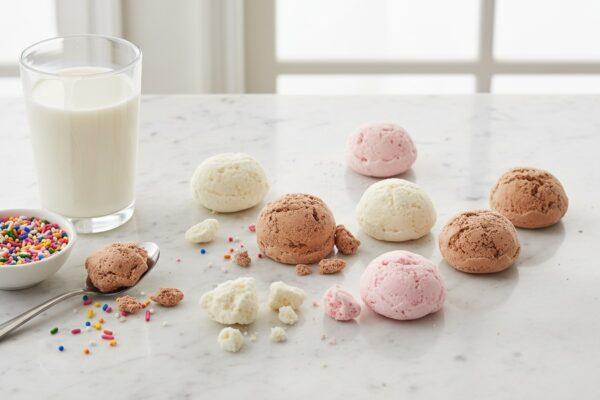
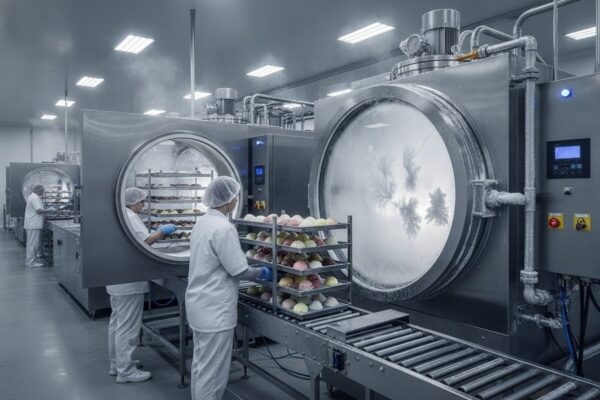
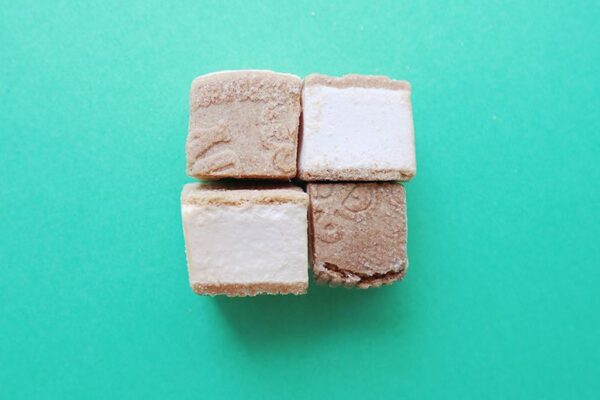
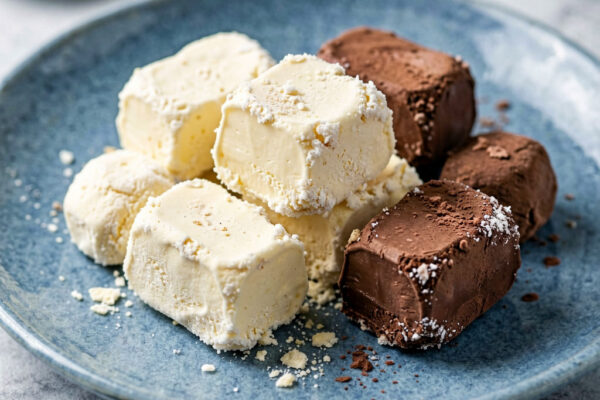
16.08.2026 在 24.06.2026 冻干奥利奥冰淇淋 2 发布自 mygo 显示列 目录 你有没有想过,普通的冰淇淋是如何变成我们所熟知的那种酥脆、轻巧的 冻干冰淇淋的?让我们一起来探索完整的制造过程。. 步骤一:优质冰淇淋的准备 制作过程从高品质的冰淇淋开始。生产商通常使用乳脂含量高的优质冰淇淋,以确保冻干后能保留最佳风味。. 步骤二:冷冻至极低温度 冰淇淋被冷冻至 -40°F 到 -50°F(-40°C 到 -45°C)的温度。这种快速冷冻会形成细小的冰晶,有助于在干燥过程中保持产品的结构。. 步骤三:装入真空舱 冷冻的冰淇淋片被放置在真空舱内的托盘上。舱室密封后,气压会大幅降低。. 步骤四:初级干燥(升华) 在真空条件下,冰晶直接从固态转变为气态,而不经过液态。这个升华过程去除了约 95% 的水分含量。. 步骤五:二级干燥 在保持真空压力的同时,温度逐渐升高。这会去除残留的结合水分,使最终含水量降至 1-3%。. 步骤六:包装 成品立即用防潮袋包装,以防止回潮。恰当的包装可确保产品在无需冷藏的情况下,拥有 2-3 年的保质期。. 搜索 近期文章 散装冻干水果:切型、质量与包装采购指南13.10.2026 冻干水果:制作方法、优势与应用08.09.2026 如何在中国选择可靠的冻干水果供应商12.08.2026 冻干形式黑巧克力的健康益处24.06.2026 巧克力包裹冻干水果:完美组合24.06.2026 归档 2026 年 10 月 2026 年 9 月 2026 年 8 月 2026 年 6 月 分类 行业新闻 冻干水果 冻干糖果 冻干冰淇淋 真空油炸产品 巧克力产品 更新的 在家享用冻干冰淇淋的5种创意方式 返回列表 较早 冻干冰淇淋 相关文章 13 10月 冻干水果 散装冻干水果:切型、质量与包装采购指南 发布自 mygo 14.10.2026 散装冻干水果被食品制造商、零食品牌、分销商和批发商广泛使用。从用于巧克力产品的冻干草莓到用于零食混合装的芒果块,选择... 阅读全文 08 9月 冻干水果 冻干水果:制作方法、优势与应用 发布自 妮可 08.09.2026 冻干水果因其质地轻盈、保质期长、果味浓郁且便于储存,在食品行业中越来越受欢迎。从零食和早餐麦片... 阅读全文 12 8 月 行业新闻 如何在中国选择可靠的冻干水果供应商 发布自 妮可 16.08.2026 随着全球对天然、健康、便捷食品配料的需求不断增长,冻干水果市场持续扩大。冻干水果保质期长、口感酥脆,... 阅读全文 24 6月 巧克力产品 冻干形式黑巧克力的健康益处 发布自 mygo 16.08.2026 黑巧克力早已因其健康益处而闻名,但当它与冻干技术结合时,对注重健康的巧克力爱好者来说,它变成了一个更具吸引力的选择。. 阅读全文 24 6月 巧克力产品 巧克力包裹冻干水果:完美组合 发布自 mygo 16.08.2026 当浓郁丝滑的巧克力遇上轻盈酥脆的冻干水果,魔法就发生了。这种组合创造了一种多层次的感官体验,正迅速成为最受欢迎的... 阅读全文 24 6月 巧克力产品 优质冻干巧克力:终极指南 发布自 mygo 16.08.2026 什么是冻干巧克力?. 阅读全文 24 6月 真空油炸产品 真空油炸与传统深度油炸:健康对比 发布自 mygo 16.08.2026 在制作酥脆零食时,油炸方法在营养、口感和整体健康影响方面存在显著差异。让我们比较这两种技术。. 阅读全文 24 6月 真空油炸产品 真空油炸蔬菜:酥脆、健康、美味 发布自 mygo 16.08.2026 如果你认为健康零食不可能既酥脆又美味,真空油炸蔬菜将改变你的想法。这项创新技术创造出的蔬菜脆片既营养又令人满足。. 阅读全文 24 6月 真空油炸产品 什么是真空油炸?了解这项技术 发布自 mygo 16.08.2026 真空油炸是一种创新的食品加工技术,与传统深度油炸方法相比,它能生产出吸油量显著减少的酥脆零食。. 阅读全文 24 6月 冻干冰淇淋 在家享用冻干冰淇淋的5种创意方式 发布自 mygo 16.08.2026 冻干冰淇淋不仅仅是开袋即食的零食。这里有五种创意方式,可以将这种独特的美味融入你的日常生活。. 阅读全文 24 6月 冻干冰淇淋 冻干奥利奥冰淇淋 2 发布自 mygo 16.08.2026 冻干冰淇淋是如何制作的?完整流程. 阅读全文 24 6月 冻干冰淇淋 冻干冰淇淋 发布自 mygo 16.08.2026 宇航员冰淇淋:冻干冰淇淋的历史. 阅读全文
13 10月 冻干水果 散装冻干水果:切型、质量与包装采购指南 发布自 mygo 14.10.2026 散装冻干水果被食品制造商、零食品牌、分销商和批发商广泛使用。从用于巧克力产品的冻干草莓到用于零食混合装的芒果块,选择... 阅读全文
12 8 月 行业新闻 如何在中国选择可靠的冻干水果供应商 发布自 妮可 16.08.2026 随着全球对天然、健康、便捷食品配料的需求不断增长,冻干水果市场持续扩大。冻干水果保质期长、口感酥脆,... 阅读全文
24 6月 巧克力产品 冻干形式黑巧克力的健康益处 发布自 mygo 16.08.2026 黑巧克力早已因其健康益处而闻名,但当它与冻干技术结合时,对注重健康的巧克力爱好者来说,它变成了一个更具吸引力的选择。. 阅读全文
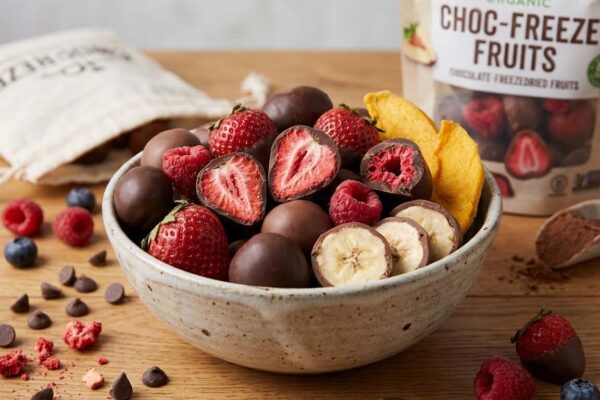
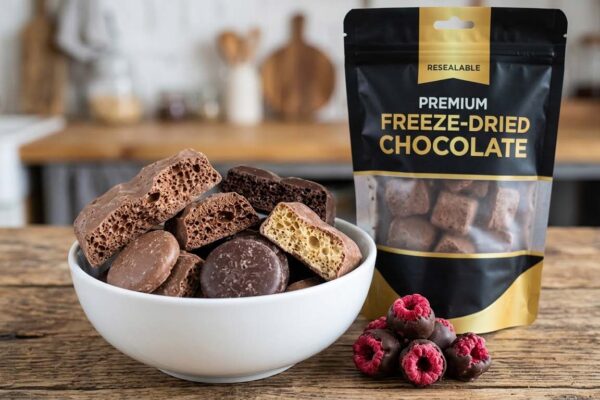
24 6月 巧克力产品 巧克力包裹冻干水果:完美组合 发布自 mygo 16.08.2026 当浓郁丝滑的巧克力遇上轻盈酥脆的冻干水果,魔法就发生了。这种组合创造了一种多层次的感官体验,正迅速成为最受欢迎的... 阅读全文
24 6月 真空油炸产品 真空油炸与传统深度油炸:健康对比 发布自 mygo 16.08.2026 在制作酥脆零食时,油炸方法在营养、口感和整体健康影响方面存在显著差异。让我们比较这两种技术。. 阅读全文
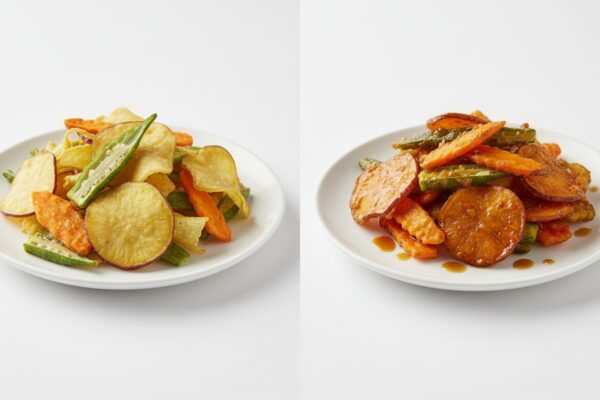
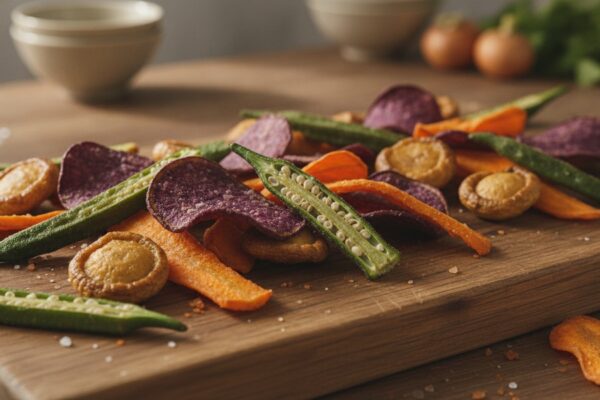
24 6月 真空油炸产品 真空油炸蔬菜:酥脆、健康、美味 发布自 mygo 16.08.2026 如果你认为健康零食不可能既酥脆又美味,真空油炸蔬菜将改变你的想法。这项创新技术创造出的蔬菜脆片既营养又令人满足。. 阅读全文
24 6月 真空油炸产品 什么是真空油炸?了解这项技术 发布自 mygo 16.08.2026 真空油炸是一种创新的食品加工技术,与传统深度油炸方法相比,它能生产出吸油量显著减少的酥脆零食。. 阅读全文
24 6月 冻干冰淇淋 在家享用冻干冰淇淋的5种创意方式 发布自 mygo 16.08.2026 冻干冰淇淋不仅仅是开袋即食的零食。这里有五种创意方式,可以将这种独特的美味融入你的日常生活。. 阅读全文