

관련 게시물

대량 동결건조 과일: 절단 형태, 품질 및 포장에 관한 구매자 가이드
대량 동결건조 과일은 식품 제조업체, 스낵 브랜드, 유통업체 및 도매업체에서 널리 사용됩니다. 초콜릿 제품용 동결건조 딸기부터 스낵 믹스용 망고 조각까지, 선택은...

동결건조 과일: 제조 방법, 장점 및 활용 분야
동결건조 과일은 가벼운 식감, 긴 유통기한, 진한 과일 풍미, 간편한 보관 덕분에 식품 업계에서 점점 인기를 얻고 있습니다. 스낵 식품과 아침 시리얼부터...

중국에서 신뢰할 수 있는 동결건조 과일 공급업체를 선택하는 방법
천연, 건강, 간편한 식품 원료에 대한 수요 증가와 함께, 전 세계 동결건조 과일 시장은 지속적으로 확대되고 있습니다. 동결건조 과일은 긴 유통기한, 바삭한 식감,...
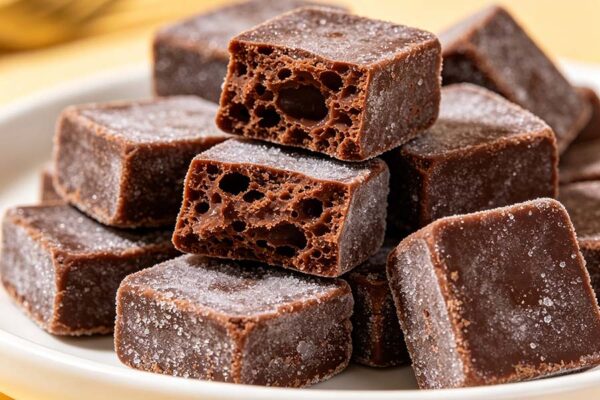
동결건조 형태로 즐기는 다크 초콜릿의 건강 효능
다크 초콜릿은 이미 건강 효능으로 잘 알려져 있지만, 동결건조 기술과 결합하면 건강을 중시하는 초콜릿 애호가들에게 더욱 매력적인 선택지가 됩니다.
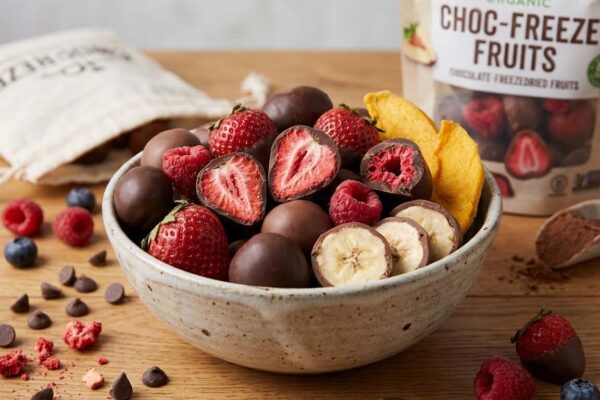
초콜릿 코팅 동결건조 과일: 완벽한 조합
풍부하고 크리미한 초콜릿이 동결건조 과일의 가볍고 바삭한 식감과 만나면 마법이 일어납니다. 이 조합은 다층적인 감각 경험을 선사하며, 가장 인기 있는 제품 중 하나로 빠르게 자리 잡고 있습니다...
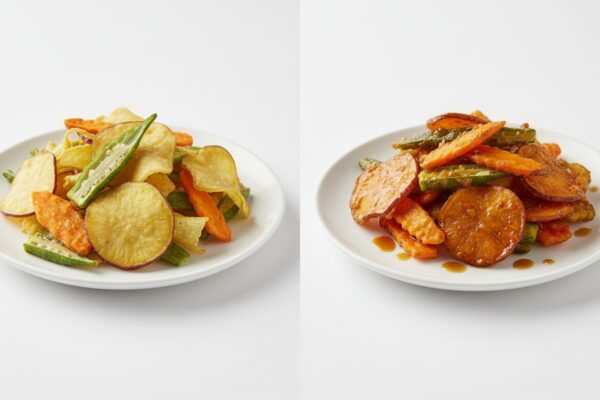
진공 프라이 vs 전통 튀김: 건강 비교
바삭한 스낵을 만들 때, 튀김 방식은 영양, 맛, 그리고 전반적인 건강에 미치는 영향에 큰 차이를 만듭니다. 이 두 기술을 비교해 보겠습니다.
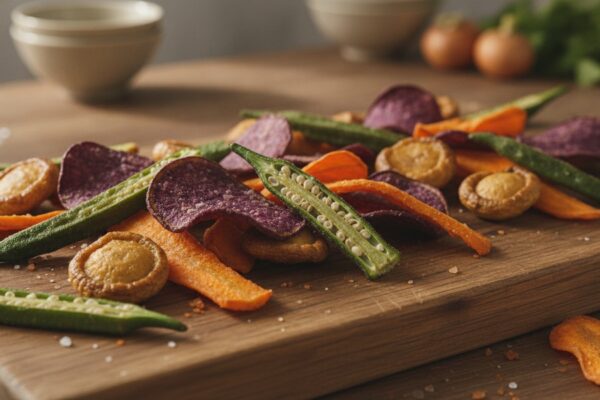
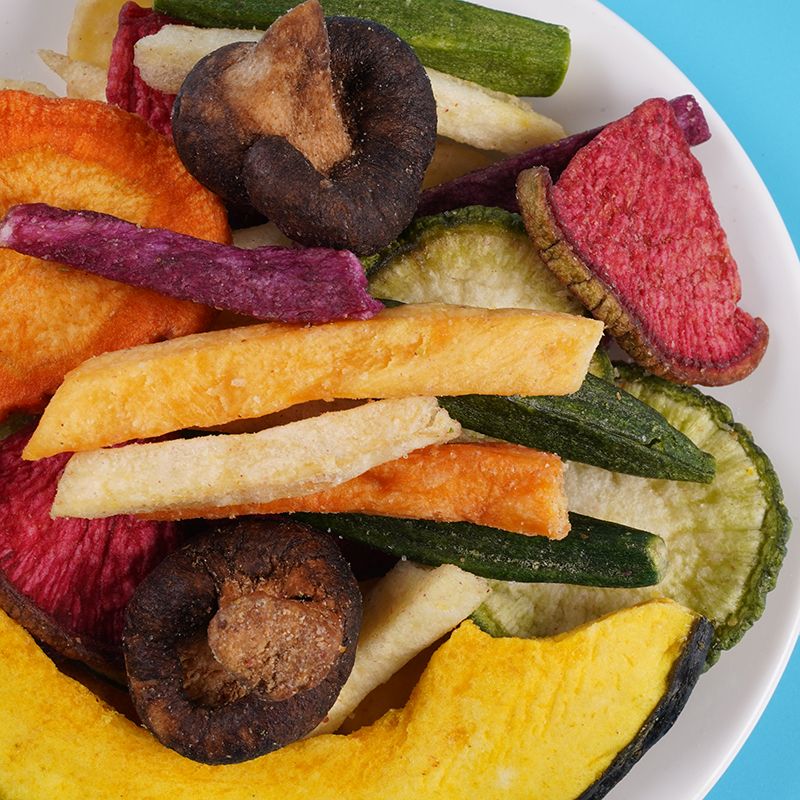
진공 프라이 야채: 바삭하고 건강하며 맛있게
건강 스낵은 바삭하고 맛있을 수 없다고 생각한다면, 진공 프라이 야채가 그 생각을 바꿔 줄 것입니다. 이 혁신적인 기술은 영양가와 만족감을 모두 갖춘 야채 칩을 만들어 냅니다.
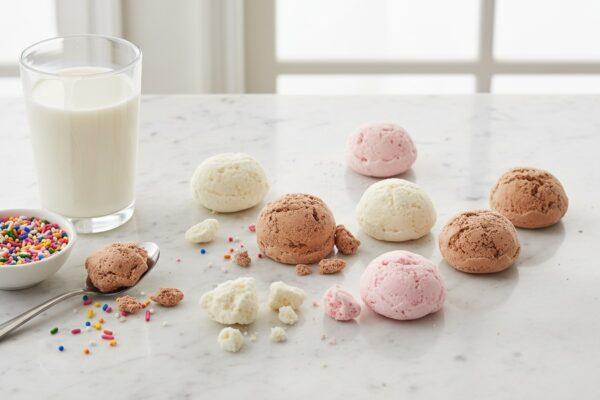

집에서 동결건조 아이스크림을 즐기는 5가지 창의적인 방법
동결건조 아이스크림은 봉지에서 바로 꺼내 먹는 것 외에도 다양하게 즐길 수 있습니다. 이 독특한 간식을 일상에 접목할 수 있는 다섯 가지 창의적인 방법을 소개합니다.
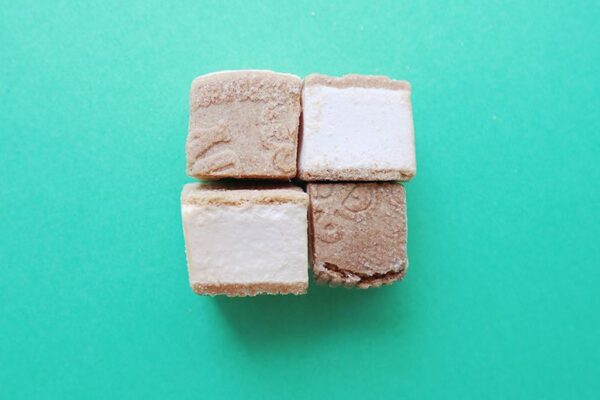
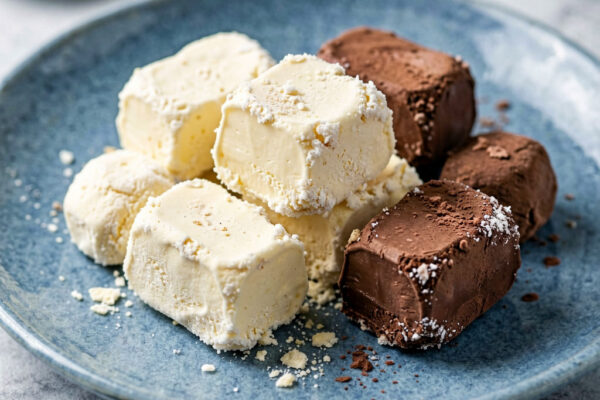
일반 아이스크림이 어떻게 바삭하고 가벼운 동결건조 아이스크림으로 변신하는지 궁금해하신 적이 있나요? 전체 제조 공정을 살펴보겠습니다.
우주 비행사 아이스크림: 동결건조 아이스크림의 역사.