
Recent Posts
- Bulk Freeze-Dried Fruit: A Buyer’s Guide to Cuts, Quality and Packaging

- Freeze-Dried Fruit: How It’s Made, Benefits, and Applications
- How to Choose a Reliable Freeze-Dried Fruit Supplier in China
- The Health Benefits of Dark Chocolate in Freeze-Dried Form

- Chocolate-Covered Freeze-Dried Fruit: A Perfect Combination


Related posts

Bulk Freeze-Dried Fruit: A Buyer’s Guide to Cuts, Quality and Packaging
Bulk freeze-dried fruit is widely used by food manufacturers, snack brands, distributors, and wholesalers. From freeze-dried strawberries for chocolate products to mango pieces for snack mixes, choosi...

Freeze-Dried Fruit: How It’s Made, Benefits, and Applications
Freeze-dried fruit has become increasingly popular in the food industry because of its light texture, long shelf life, intense fruit flavor, and convenient storage. From snack foods and breakfast cere...

How to Choose a Reliable Freeze-Dried Fruit Supplier in China
With the growing demand for natural, healthy, and convenient food ingredients, the global freeze-dried fruit market has continued to expand. Freeze-dried fruits have a long shelf life, crispy texture,...
The Health Benefits of Dark Chocolate in Freeze-Dried Form
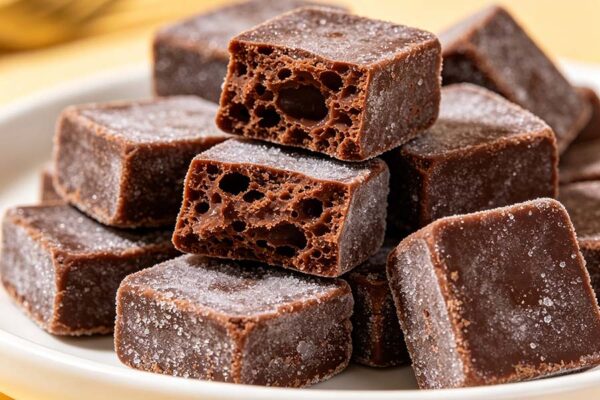
Dark chocolate is already known for its health benefits, but when combined with freeze-drying technology, it becomes an even more appealing option for health-conscious chocolate lovers.
Antioxidant Po...
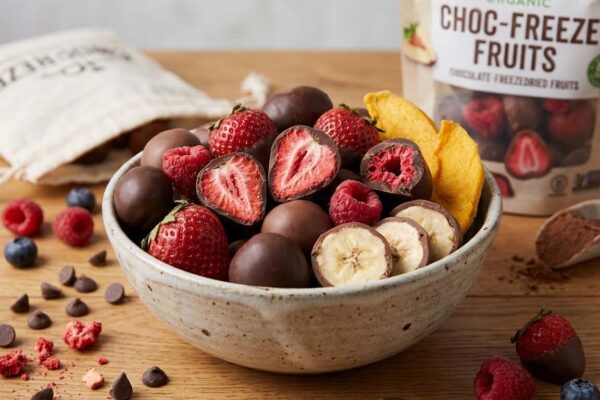
Chocolate-Covered Freeze-Dried Fruit: A Perfect Combination
When rich, creamy chocolate meets the light, crispy texture of freeze-dried fruit, magic happens. This combination creates a multi-layered sensory experience that’s quickly becoming one of the most po...
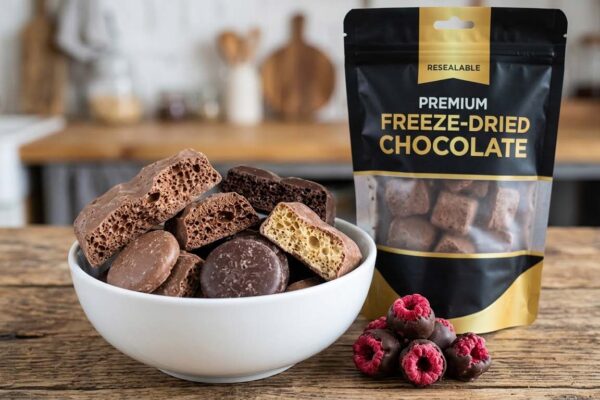
Premium Freeze-Dried Chocolate: The Ultimate Guide
What Is Freeze-Dried Chocolate?
Freeze-dried chocolate undergoes a sophisticated lyophilization process that removes moisture while preserving the complex flavor compounds that make chocolate s...
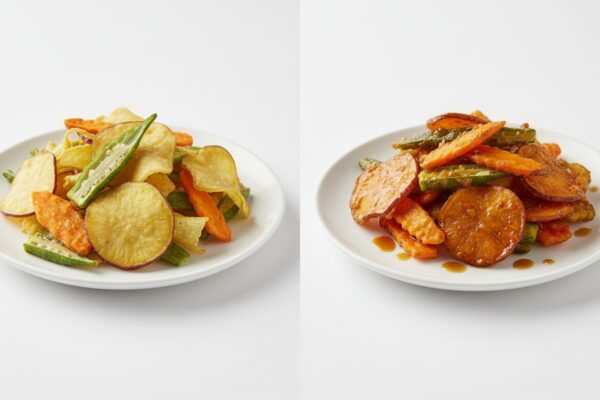
Vacuum Frying vs Traditional Deep Frying: Health Comparison
When it comes to creating crispy snacks, the method of frying makes a significant difference in nutrition, taste, and overall health impact. Let's compare these two technologies.
Temperature Compar...
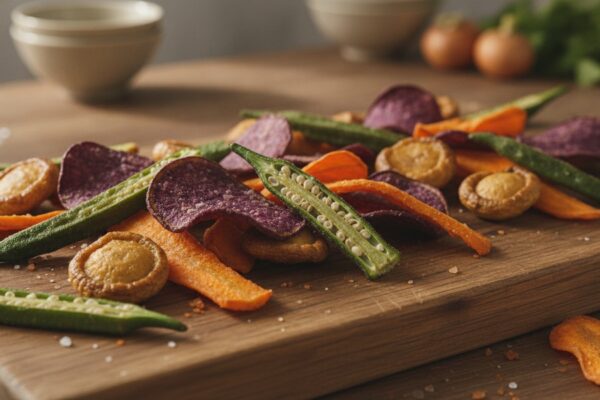
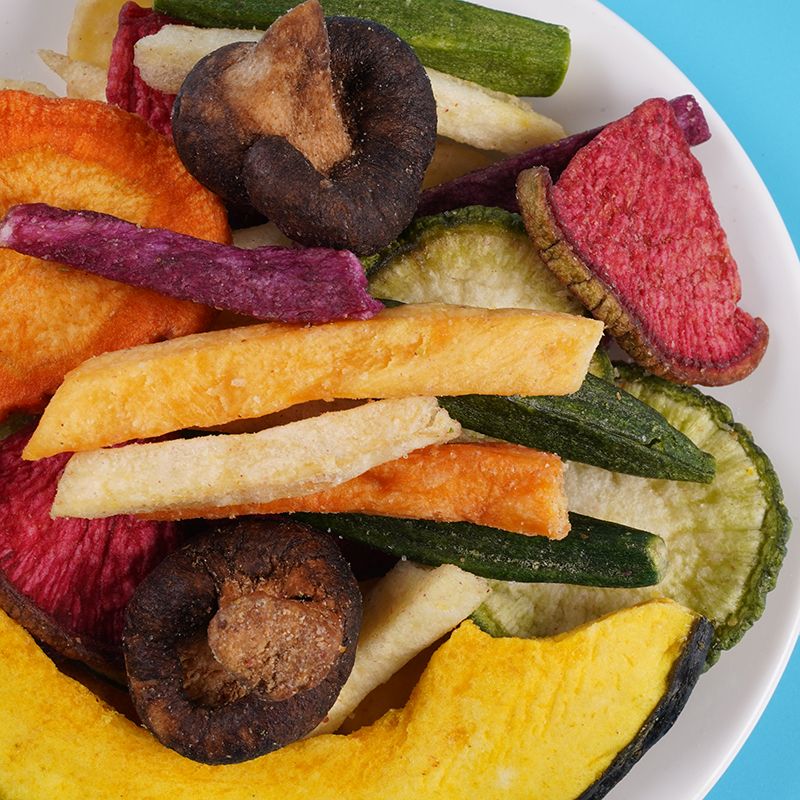
Vacuum-Fried Vegetables: Crispy, Healthy, and Delicious
If you think healthy snacks can't be crispy and delicious, vacuum-fried vegetables will change your mind. This innovative technology creates vegetable chips that are both nutritious and satisfying.
...
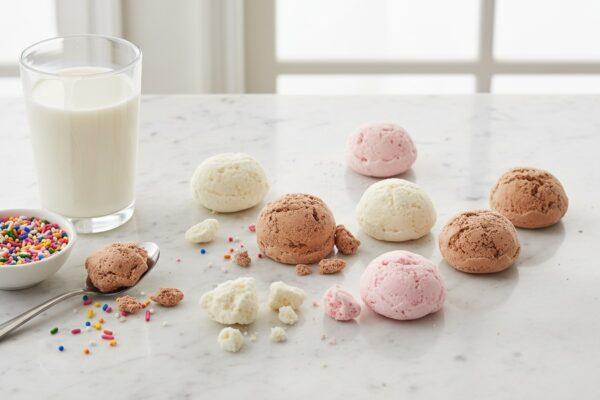
What Is Vacuum Frying? Understanding the Technology
Vacuum frying is an innovative food processing technology that produces crispy snacks with significantly less oil absorption compared to traditional deep frying methods.
How Does Vacuum Frying Work...
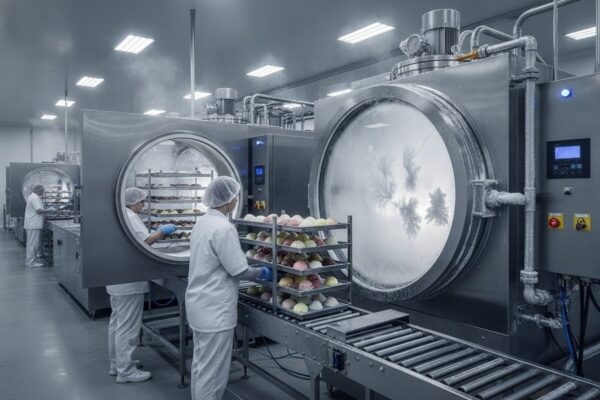
5 Creative Ways to Enjoy Freeze-Dried Ice Cream at Home
Freeze-dried ice cream isn't just for snacking straight from the bag. Here are five creative ways to incorporate this unique treat into your daily routine.
1. Cereal and Yogurt Topping
Crush fre...

How Is Freeze-Dried Ice Cream Made? The Complete Process
Have you ever wondered how regular ice cream transforms into the crunchy, lightweight treats we know as freeze-dried ice cream? Let's explore the complete manufacturing process.
Step 1: Premium Ice...
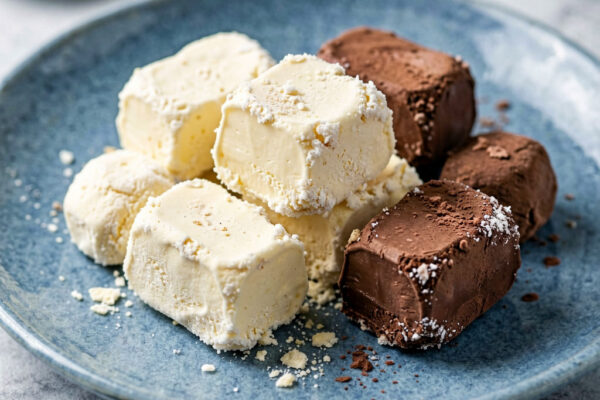
Astronaut Ice Cream: The History of Freeze-Dried Ice Cream
Freeze-dried ice cream, popularly known as 'astronaut ice cream,' has a captivating history that spans from NASA laboratories to museum gift shops and modern snack aisles.
NASA's Space Food Innovat...