

Freeze-dried fruit has become increasingly popular in the food industry because of its light texture, long shelf life, intense fruit flavor, and convenient storage. From snack foods and breakfast cereals to bakery products, chocolate, yogurt, and functional food applications, freeze-dried fruit offers a versatile solution for both food manufacturers and consumers.
But how is freeze-dried fruit made, and why is it different from traditional dried fruit?
In this article, we will explain the freeze-drying process, the main advantages of freeze-dried fruit, and its common applications in the food industry.
What Is Freeze-Dried Fruit?
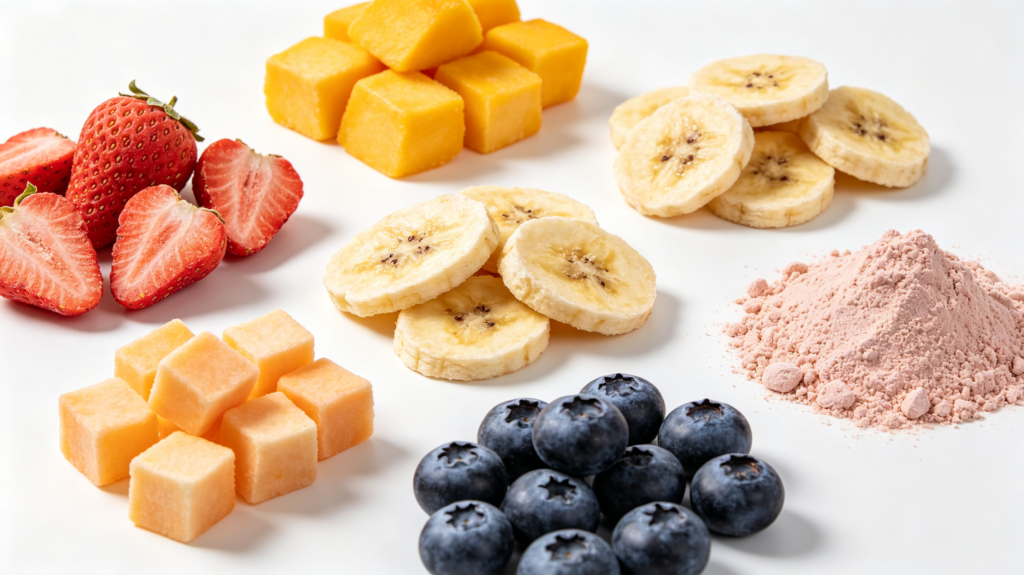
Freeze-dried fruit is fresh fruit that has been processed using freeze-drying technology.
Unlike conventional drying methods that remove moisture through high temperatures, freeze-drying works by first freezing the fruit and then removing the frozen water under a vacuum through sublimation.
This low-temperature process helps preserve the fruit’s original shape, color, aroma, and flavor while producing a light and crispy texture.
Depending on the fruit and application, freeze-dried products can be supplied in different forms, including:
Whole freeze-dried fruit
Freeze-dried fruit slices
Freeze-dried fruit dices
Freeze-dried fruit pieces
Freeze-dried fruit powder
Customized fruit sizes for food manufacturing
How Is Freeze-Dried Fruit Made?
The quality of freeze-dried fruit depends heavily on the raw materials, processing conditions, and production technology.
1. Selecting Fresh Fruit
The process begins with carefully selected fresh fruit. Raw materials need to have suitable maturity, appearance, flavor, and quality.
Different fruits require different processing conditions. For example, strawberries, mangoes, blueberries, bananas, kiwi, dragon fruit, and apples each have different moisture content, structure, and sugar levels.
Using suitable raw materials is the first step in producing high-quality freeze-dried fruit.
2. Cleaning and Cutting
The fresh fruit is cleaned and prepared before processing.
Depending on the final product, the fruit may be processed into whole pieces, slices, dices, chunks, or other customized shapes.
For industrial applications, consistent size is particularly important because it helps improve drying uniformity and product consistency.
3. Freezing
The prepared fruit is rapidly frozen at low temperatures.
During this stage, the water inside the fruit becomes ice. Proper freezing is important because the size and distribution of ice crystals can affect the final texture and appearance of the freeze-dried product.
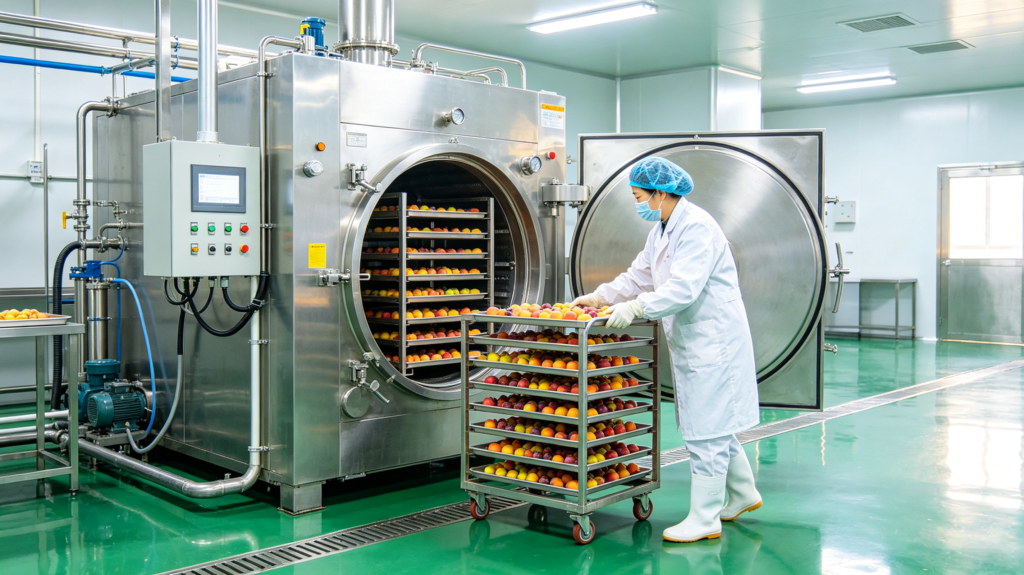
4. Vacuum Freeze-Drying
The frozen fruit is placed inside a freeze-drying chamber.
Under vacuum conditions, the frozen water changes directly from ice into vapor without passing through the liquid stage. This process is known as sublimation.
By carefully controlling temperature, vacuum pressure, and drying time, most of the moisture can be removed while maintaining the fruit’s structure and sensory characteristics.
5. Packaging
After freeze-drying, the product needs to be protected from moisture and oxygen.
Freeze-dried fruit is highly hygroscopic, which means it can quickly absorb moisture from the surrounding environment. Proper packaging is therefore essential for maintaining its crispy texture and shelf life.
For bulk and retail products, common packaging options include aluminum foil bags, resealable pouches, jars, and customized packaging.
Why Choose Freeze-Dried Fruit?
Lightweight and Easy to Store
Because most of the water has been removed, freeze-dried fruit is significantly lighter than fresh fruit.
This makes it convenient for transportation, storage, and food manufacturing applications.
Crispy Texture
One of the most distinctive characteristics of freeze-dried fruit is its light and crispy texture.
When exposed to moisture, the texture can gradually soften, but when properly packaged and stored, freeze-dried fruit can maintain its characteristic crunch for an extended period.
Concentrated Fruit Flavor
Removing water concentrates the natural flavor of the fruit.
As a result, freeze-dried strawberries, mangoes, bananas, blueberries, raspberries, and other fruits can provide a strong fruit taste in a lightweight ingredient.
Attractive Appearance
Freeze-drying can help maintain the natural appearance of many fruits, including their original color and recognizable shape.
This makes freeze-dried fruit particularly suitable for products where visual presentation is important.
Versatile Food Ingredient
Freeze-dried fruit is not limited to direct consumption.
It can be used as an ingredient in a wide range of food products, giving manufacturers flexibility in product development.
Applications of Freeze-Dried Fruit
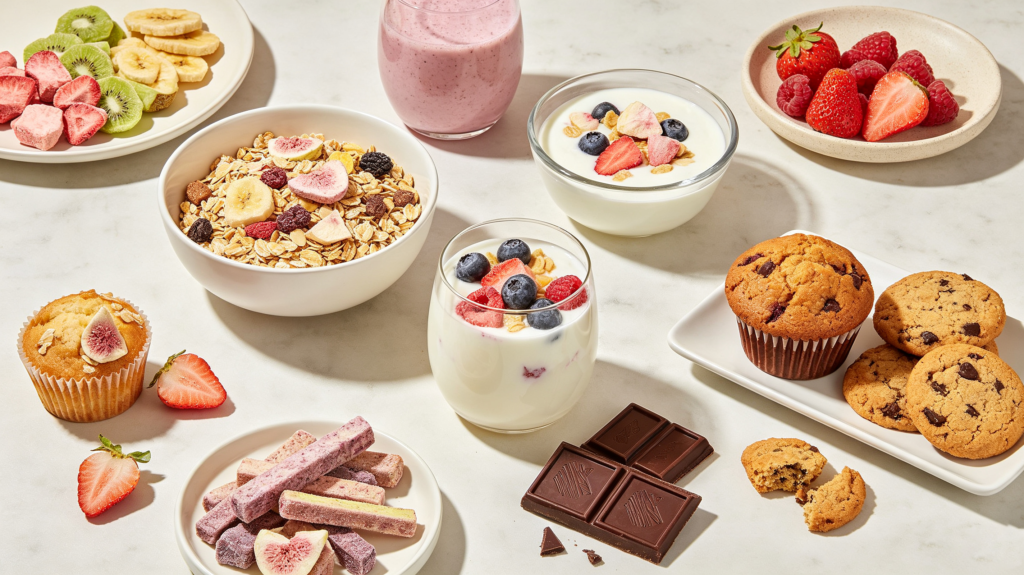
Freeze-dried fruit is widely used across different food categories.
1. Healthy Snacks
Freeze-dried fruit can be consumed directly as a crispy fruit snack.
It can also be combined with other ingredients to create fruit snack mixes, trail mixes, and premium snack products.
2. Breakfast Cereals and Granola
Small pieces of freeze-dried strawberries, blueberries, bananas, raspberries, and other fruits can add color, flavor, and texture to cereals and granola.
3. Yogurt and Dairy Products
Freeze-dried fruit pieces and powders are commonly used in yogurt, yogurt snacks, milk products, and other dairy applications.
4. Chocolate and Confectionery
Freeze-dried fruit can be combined with chocolate, candy, gummies, and other confectionery products.
The contrast between crispy fruit and smooth chocolate can create an interesting eating experience.
5. Bakery Products
Freeze-dried fruit pieces and powders can be used in cookies, cakes, muffins, biscuits, fillings, and other bakery products.
Fruit powder is particularly useful when manufacturers need to add fruit flavor without introducing large amounts of moisture.
6. Beverage and Powder Applications
Freeze-dried fruit powder can be used in beverage mixes, smoothies, instant food products, and other powdered formulations.
Freeze-Dried Fruit vs. Traditional Dried Fruit
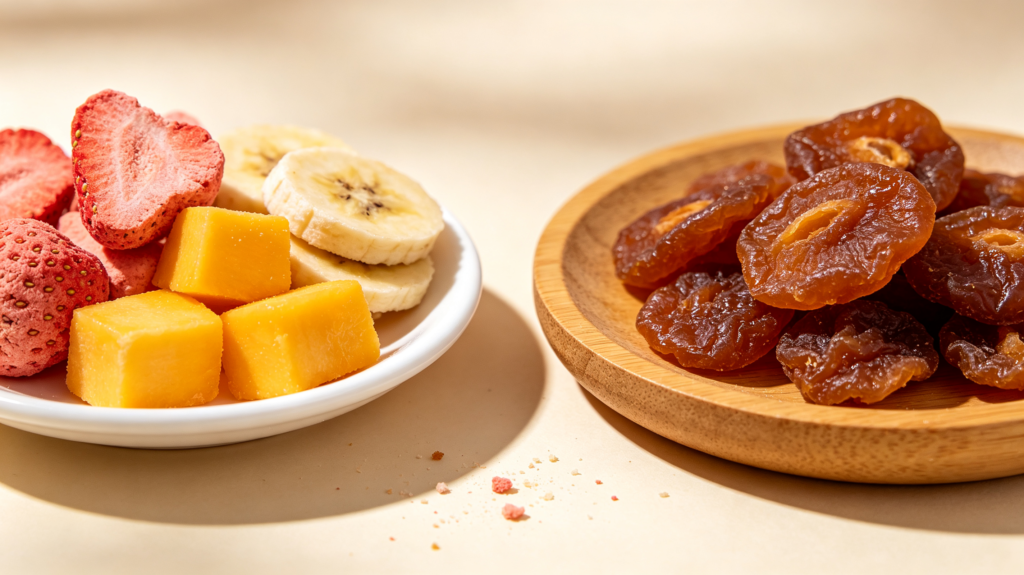
Freeze-dried fruit and conventional dried fruit are produced using different technologies and therefore have different characteristics.
Traditional dried fruit generally uses heat to evaporate water. This can result in a softer, denser, and chewier texture.
Freeze-dried fruit is processed at low temperatures under vacuum conditions, resulting in a lightweight and crispy product.
For manufacturers looking for a crispy texture, attractive appearance, and convenient lightweight fruit ingredient, freeze-dried fruit can be an excellent choice.
What Should Buyers Consider When Choosing a Freeze-Dried Fruit Supplier?

For food manufacturers and distributors, choosing the right supplier is just as important as choosing the right fruit.
Several factors should be considered:
Raw Material Quality:
The quality of fresh fruit has a direct impact on the final product.
Processing Technology:
Stable freeze-drying equipment and experienced production teams help maintain consistent quality.
Moisture Control:
Proper moisture control is essential for maintaining texture and product stability.
Product Specifications:
Buyers should confirm fruit variety, cut size, moisture content, packaging, and other specifications before placing an order.
Food Safety and Certifications:
For international trade, buyers should consider the supplier’s food safety management system, testing capabilities, and relevant certifications.
Production Capacity:
A supplier with sufficient production capacity can provide better support for both trial orders and large-volume purchases.
Customized Services:
Different food manufacturers may require different fruit varieties, sizes, packaging formats, and specifications. Flexible customization can make cooperation more efficient.
Customized Freeze-Dried Fruit for Your Business
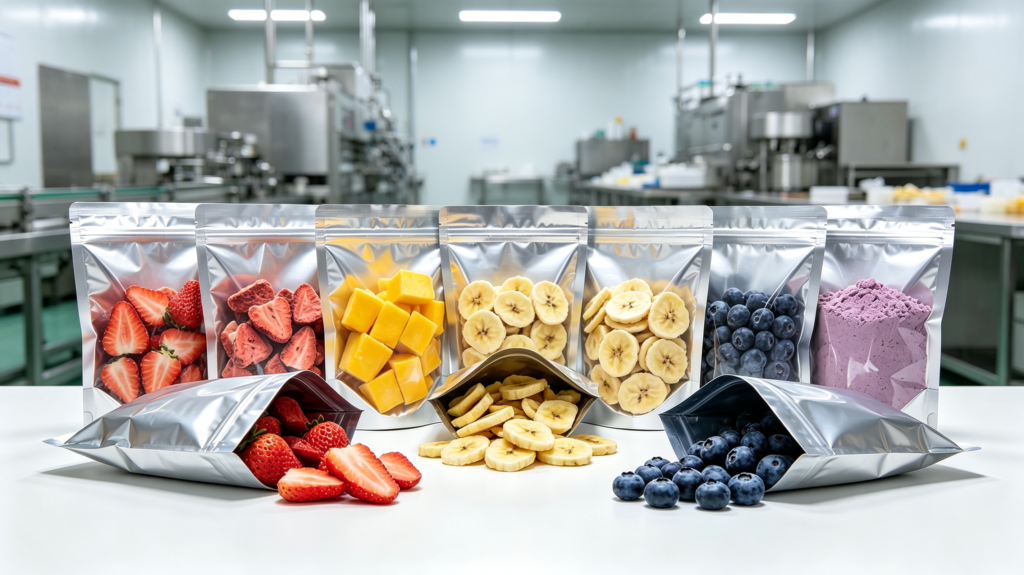
At Jiangsu Jingnan Food Co., Ltd., we provide freeze-dried fruit products for food manufacturers, distributors, wholesalers, and brands.
Our product range includes freeze-dried strawberries, mangoes, bananas, blueberries, raspberries, kiwi, dragon fruit, apples, and other fruit products.
We can provide different cuts and specifications, including whole fruit, slices, dices, pieces, and powders. Customized packaging is also available for suitable orders.
Whether you are developing a new snack, adding fruit ingredients to an existing product, or looking for a reliable bulk freeze-dried fruit supplier, we can work with you to develop suitable specifications.
- Frequently Asked Questions About Freeze-Dried Fruit
Is freeze-dried fruit the same as dried fruit?
No. Freeze-dried fruit is processed through vacuum freeze-drying at low temperatures, while traditional dried fruit is generally processed using heat. The two products have different textures, appearances, and processing characteristics.
Does freeze-dried fruit need special packaging?
Yes. Freeze-dried fruit readily absorbs moisture from the air. Moisture-resistant packaging is important to protect its crispy texture and product quality.
What forms of freeze-dried fruit are available?
Common forms include whole fruit, slices, dices, pieces, and powder. Customized sizes can also be developed according to the application.
Can freeze-dried fruit be used as a food ingredient?
Yes. Freeze-dried fruit can be used in snacks, cereals, granola, yogurt, chocolate, bakery products, confectionery, beverages, and many other food applications.
Can I order customized freeze-dried fruit?
Yes. Depending on the product and order requirements, fruit varieties, cut sizes, packaging, and other specifications can be discussed with the supplier.
Conclusion
Freeze-dried fruit combines convenience, distinctive texture, concentrated fruit flavor, and versatile applications, making it an increasingly useful ingredient for the modern food industry.
For food manufacturers and brands, the right freeze-dried fruit supplier can provide not only standard products but also customized solutions based on different applications and packaging requirements.
If you are looking for bulk freeze-dried fruit or developing a new food product, contact us to discuss your requirements and request product specifications or samples.
Recent Posts




Related posts

Freeze-Dried Fruit: How It’s Made, Benefits, and Applications
Freeze-dried fruit has become increasingly popular in the food industry because of its light texture, long shelf life, intense fruit flavor, and convenient storage. From snack foods and breakfast cere...

How to Choose a Reliable Freeze-Dried Fruit Supplier in China
With the growing demand for natural, healthy, and convenient food ingredients, the global freeze-dried fruit market has continued to expand. Freeze-dried fruits have a long shelf life, crispy texture,...
The Health Benefits of Dark Chocolate in Freeze-Dried Form
Dark chocolate is already known for its health benefits, but when combined with freeze-drying technology, it becomes an even more appealing option for health-conscious chocolate lovers.
Antioxidant Po...
Chocolate-Covered Freeze-Dried Fruit: A Perfect Combination
When rich, creamy chocolate meets the light, crispy texture of freeze-dried fruit, magic happens. This combination creates a multi-layered sensory experience that’s quickly becoming one of the most po...
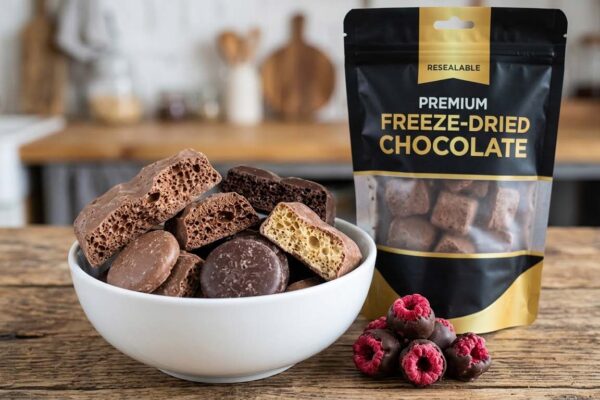
Premium Freeze-Dried Chocolate: The Ultimate Guide
What Is Freeze-Dried Chocolate?
Freeze-dried chocolate undergoes a sophisticated lyophilization process that removes moisture while preserving the complex flavor compounds that make chocolate s...
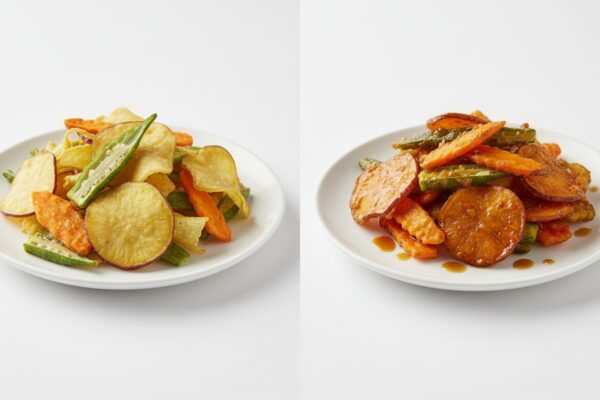
Vacuum Frying vs Traditional Deep Frying: Health Comparison
When it comes to creating crispy snacks, the method of frying makes a significant difference in nutrition, taste, and overall health impact. Let's compare these two technologies.
Temperature Compar...

Vacuum-Fried Vegetables: Crispy, Healthy, and Delicious
If you think healthy snacks can't be crispy and delicious, vacuum-fried vegetables will change your mind. This innovative technology creates vegetable chips that are both nutritious and satisfying.
...
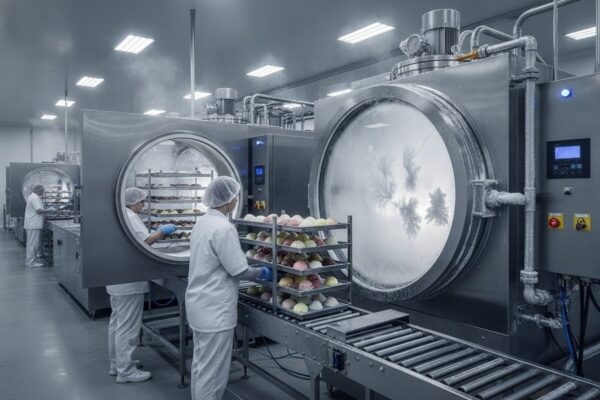
What Is Vacuum Frying? Understanding the Technology
Vacuum frying is an innovative food processing technology that produces crispy snacks with significantly less oil absorption compared to traditional deep frying methods.
How Does Vacuum Frying Work...
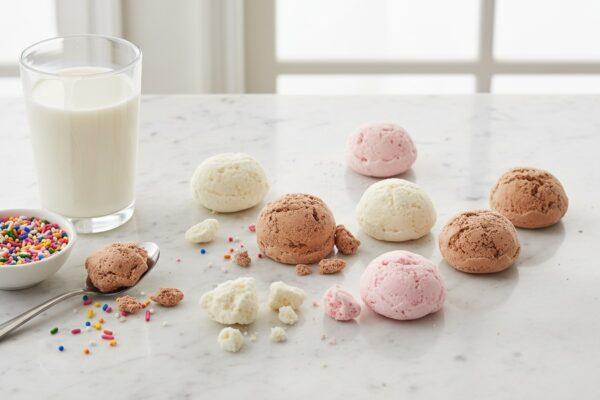
5 Creative Ways to Enjoy Freeze-Dried Ice Cream at Home
Freeze-dried ice cream isn't just for snacking straight from the bag. Here are five creative ways to incorporate this unique treat into your daily routine.
1. Cereal and Yogurt Topping
Crush fre...

How Is Freeze-Dried Ice Cream Made? The Complete Process
Have you ever wondered how regular ice cream transforms into the crunchy, lightweight treats we know as freeze-dried ice cream? Let's explore the complete manufacturing process.
Step 1: Premium Ice...
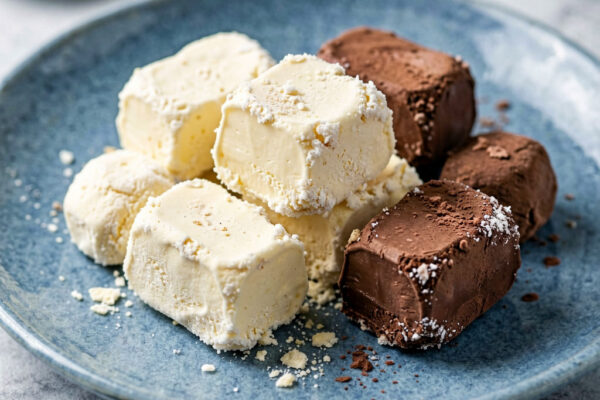
Astronaut Ice Cream: The History of Freeze-Dried Ice Cream
Freeze-dried ice cream, popularly known as 'astronaut ice cream,' has a captivating history that spans from NASA laboratories to museum gift shops and modern snack aisles.
NASA's Space Food Innovat...
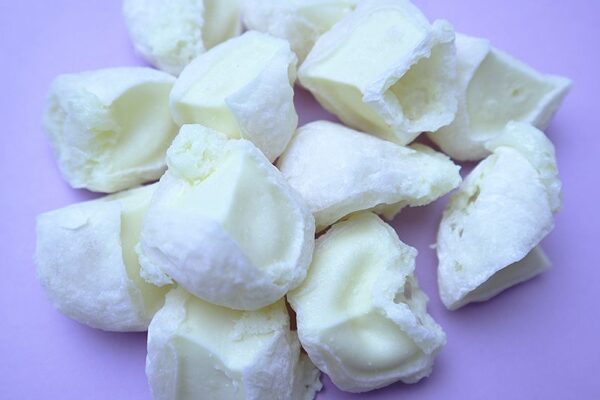
Freeze-Dried Candy: A Better Alternative to Traditional Sweets?
As consumers become more health-conscious, many are looking for better alternatives to traditional sweets. Freeze-dried candies have emerged as an intriguing option, but are they actually better for y...